
Textiles — How Could You Live Without Them?
Take a moment and look around you.
What would your world look like if textiles suddenly disappeared?
No shirt.
No trousers.
No socks.
No bedsheets.
No towels.
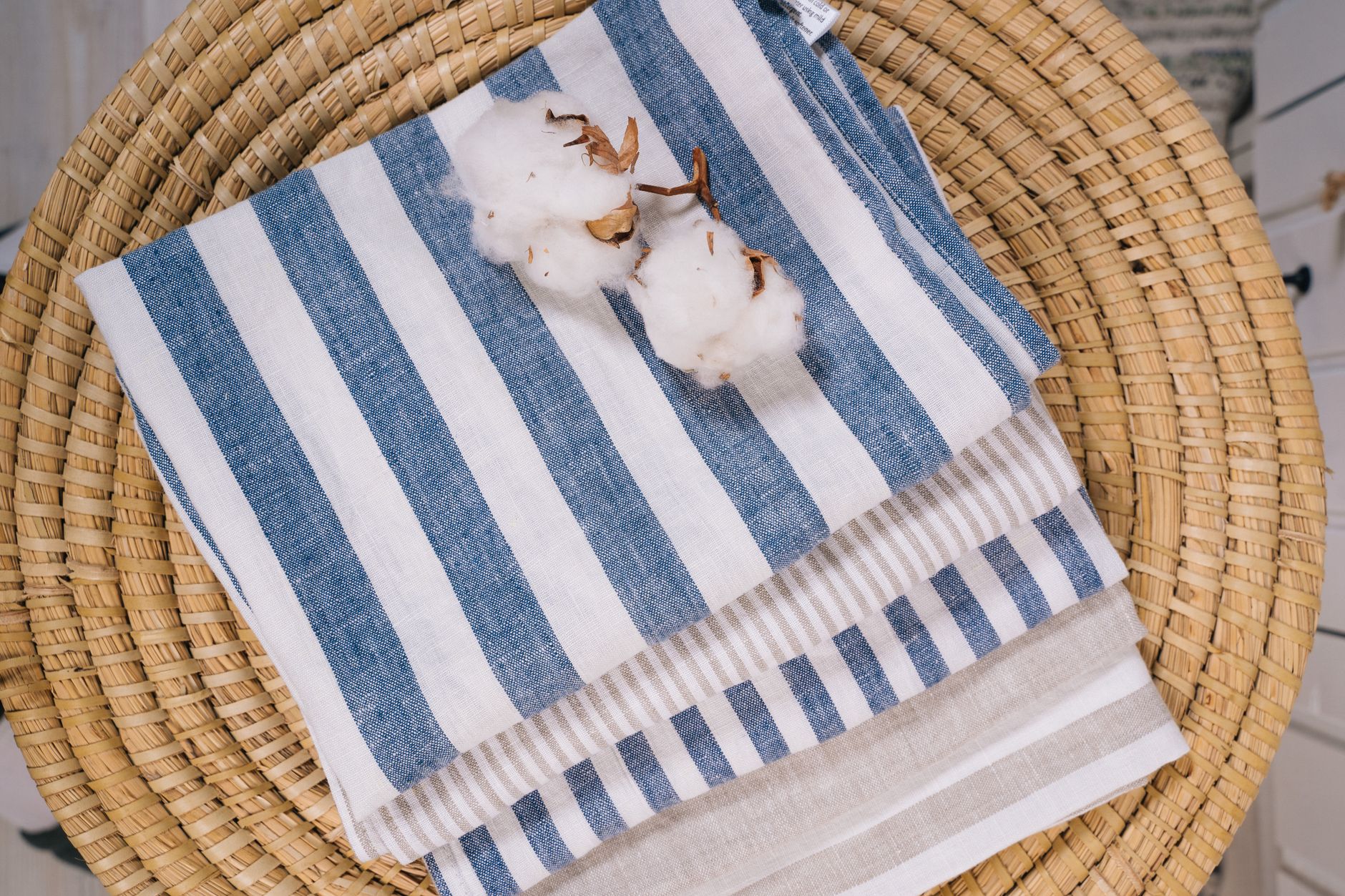
But that is only the beginning.
There would be no surgical gowns, wound dressings, masks, or sutures. No seat belts, airbags, parachutes, or high-performance sportswear. No filtration fabrics protecting our air and water. No geotextiles reinforcing roads and landscapes. No insulation textiles. No conveyor belts. No countless technical fabrics quietly performing their jobs inside buildings, vehicles, hospitals, factories, and machines.
Textiles are everywhere.
And yet, perhaps because they are everywhere, we rarely notice them.
We think of textiles as something we wear.
The reality is much bigger.
Textiles are one of humanity’s oldest technologies—and one of its most adaptable.
We learned to twist fibres into yarns, yarns into fabrics, and fabrics into increasingly sophisticated structures. Over time, we discovered that textiles could do far more than cover the human body. They could protect, filter, reinforce, insulate, sense, absorb, conduct, stretch, breathe, heal, and even respond to their environment.
The humble fabric has quietly evolved into an engineered material.
From Clothing to Technology
A modern textile can be designed at multiple levels.
Change the fibre, and you can change strength, softness, moisture management, thermal behaviour, or biodegradability.
Change the yarn, and you can alter bulk, elasticity, surface character, or mechanical performance.
Change the fabric structure, and you can create stretch, ventilation, cushioning, dimensional stability, or unusual mechanical behaviour.
Change the finishing, and an ordinary textile can acquire water repellency, flame resistance, antimicrobial properties, conductivity, or other functional characteristics.
And sometimes, the most interesting innovation comes from changing something so fundamental that we stop thinking of it as a textile at all.
This is where textiles become fascinating.
The Invisible Infrastructure of Life
Some of the most important textiles in our lives are the ones we never see.
They are inside vehicles.
Inside buildings.
Inside medical devices.
Under roads.
Around cables.
In filtration systems.
In protective equipment.
Within industrial machinery.
These are often called technical textiles—materials engineered primarily for performance rather than appearance.
A textile that reinforces a road does not need to look beautiful.
A filtration fabric does not need to be fashionable.
A surgical textile does not need a designer label.
Their value lies in what they do.
And that shift—from textile as an aesthetic object to textile as an engineered system—is one of the most important transformations taking place in the industry.
The Future Is Still Being Woven
The next generation of textiles will be even less recognizable.
Fibres can be engineered at the molecular level. Fabrics can incorporate electronic functionality. Structures can be designed to behave in unusual ways. Materials can be developed to respond to heat, moisture, movement, pressure, or other stimuli.
The boundaries between textiles, materials science, electronics, healthcare, engineering, and design are becoming increasingly blurred.
That creates an extraordinary opportunity.
Because textiles have one characteristic that many other materials do not:
They can be engineered into structures that are flexible, lightweight, breathable, conformable, and scalable.
They can touch the human body.
They can move with us.
They can protect us.
And increasingly, they can interact with us.
So, How Could You Live Without Them?
You probably couldn’t.
Not comfortably.
Not safely.
And certainly not in the modern world as we know it.
The remarkable thing is not simply that textiles are everywhere.
It is that we have barely scratched the surface of what they can become.
Every fibre contains a possibility.
Every yarn is a structure.
Every fabric is an engineered system.
And behind every textile is a question waiting to be asked:
What else could this material do?
That is where FABRIEKA begins.
Not with the textile we already know—
but with the textile we have yet to imagine.

